


When you or your loved one is limited to moving, finding suitable activities may create special challenges, but that does not mean that they have to stop having fun, making friends, or seeking a mind-expression.
In this article, we will share safe, adapted activities with older people with limited movement promoting joy, creativity and social interaction.
Understanding the Limited Move of the Elderly
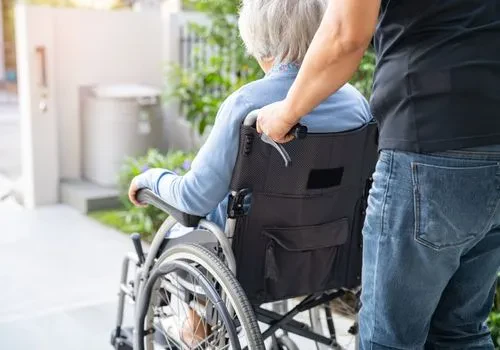
People age, and flexibility often fades. Limited movement may have many forms: hard to walk, stand, bend or sit comfortably for a long time. But this is not just a problem of aging; the issues associated with the movement of older people are often due to specific changes in character or medical events that affect how one moves.
What causes limited movement in older people?
These are some of the most common causes for limited movement and impact on daily activity:
- Vasitis: The joint arthritis can cause pain, contracting and swelling, making it smooth or relaxed. Those suffering from arthritis can avoid certain physical activities to reduce discomfort, leading to loss of muscle conditioning over time.
- Restore the fence: The propellers can affect health, balance, and coordination, often only on one side of the body. Without support, standing, walking, or doing good work may be more difficult or unsafe.
- Connect Conditions such as pelvic inflammation or femoritis limit motion and can cause chronic pain. This often causes people to be partial to one side of their body or to restrict their actions completely.
- Common muscle weakness: As people age, they naturally lose their muscles and strength (a condition called sarcepia). This can reduce endurance and cause lift, stand or carry heavier items, even when there is no underlying illness.
- Balance and Unity Issue: The aging can affect the front system (hears), sight, and sensory feedback. As this system declines, holding your legs together becomes more difficult, which increases the risk of falling.
- Past wounds or falls: A severe fall may result in physical limitations and the fear of falling again, discouragement and weakening muscle and coordination.
- Chronological Conditions: Conditions such as Parkinson’s disease, multiple sclerosis, or spinal sclerosis are often caused by loss of movement. Even small daily tasks can be challenging if there is no proper support or habit.
Because of these limitations, limited mobile people often need other activities to give priority to safety, comfort, and access. That may mean the sitting exercises, low action games, or creative interests that affect the mind more than the body does while providing emotional and cognitive benefits.
How Limited Move Affects Daily Life
Limited movement can disrupt emotional happiness, cognitive function and social connection. When they struggle to walk, they are often unable to engage in activities and habits that once helped them to participate.
Here’s the solution:
- LoveThe reduction in independence can lead to disappointment, anxiety, or depression.
- CognitivelyThe body does not operate limited brain stimulation, which can affect memory and focus over time.
- SocietyMore and more difficult to connect, the risk of loneliness and rehab increases.
- PhysicallyLess movement leads to muscle loss, less balance, and greater risk of falling.
How activities can improve the quality of life for older people with limited movement
One of the best ways to improve the quality of life for the elderly with limited movement is to create adaptive activities. Adapting to these activities will help you or your loved one to keep your senses, to increase your spirits, and to create opportunities to associate with your friends. Even small and adapting activities can give you a sense of purpose and happiness.
Happy and accessible activities for the elderly with limited movement

In the next segment, we will consider some of the easy and interesting activities that elderly people with limited movement can rush into alone or with friends and family.
1
A choice for the activities of the elderly with limited movement is art and craft. Choices such as drawing, drawing, coloring, woven wool, diary, bookmaking, or DIY projects are all the ways to pass time that supports good creativity and motor skills without great movement.
Depending on what you’re looking for, you can find many online inspirations for projects by looking at instructions on YouTube, websites such as Craftsy and other individual websites.
Listen or Play
Another activity of older ones with limited mobile properties is listening or playing music. There are many options like free radio stations online, marking music lists managed for the elderly, virtual concerts, and even playing or learning a musical instrument.
Indeed, studies show that music can bring positive benefits to the mood and memory, and it can be a way of reducing pain, stress, and anxiety.
Three. Read and Hear Books
For older people with limited movement, reading in various forms such as books, electronic books, and recording books is a wonderful choice. There are numerous free library applications and online resources such as Libby, Hoopla, Kanopy, as well as personal recording books in places like YouTube.
Large electronic and audio books are also helpful solutions to older people with limited movement and vision. If a senior is interested in more intuitive stories, library services such as Kanopy and Hoopla also provide films and television programs.
4 Play online card games like Sommer
Another great action of older people is playing online card games such as Soxie. For an intuitive, friendly senior interface, try 247 Solitare. It is a free platform not only following statistics but also providing various forms of Soxe, including Spider Solitaure, Yukon Solire, and Freecell Solitare, as well as seasonly decks that can lighten anyone’s day.
For older people, limited movement is a very large source of emotional stimulation. To win a game, people need to pay attention to the details and practice strategic thinking. By combining their clothes, internalization rules, and planning moves, the elderly can support their memory capacity and engage in problem solving without worrying about moving limits.
Five virtual puzzles and brain teamakers
To make more interesting choices about the game, you can also try other virtual puzzles and brain teasers. These activities may include puzzle games as well as online animation games and online puzzle games.
Easy access from the tablet or laptop, these puzzles and games have been proven to be gradual cognitive.
Six. Trivia Game Group (Virtal or In-Person)
Virtual games or people are usually a great choice if you’re looking for a group activity. The Trivia game gives older people cheerfully to stick with others without effort. Whether you are removing the trivial trackboard, playing games such as Trivia crack on the phone or making a self-made version of what your loved group of people love, video games will give you the opportunity to connect with friends and family.
Wanna start? Play the Free Solitare!

We’ve come up with a couple of options about working for the elderly with limited movement, but you can come up with a lot of ideas. They don’t have to be complicated; even small moments. It is important to remain busy mentally, socially, and emotionally that can promote the quality of life for the elderly with limited movement. If you want to add a little fun and focus on your day or your day with a simple thing, play a simple, relaxed game at No. 247 Sox.