
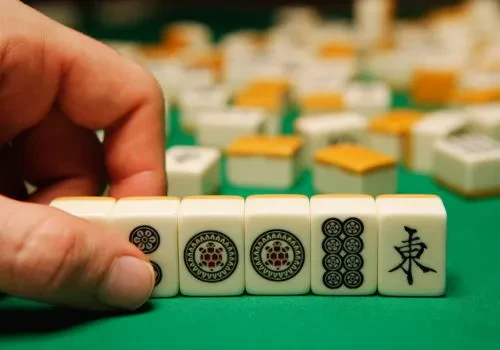

Majong is a classic Chinese brick game that is popular around the world. It mixes simple acts with strategy, making it fun for the newly started and veterans. If you’ve just played mash online, start by learning basic things. Understanding how to play Chinese mahre is a useful way to challenge your mind.
First of all, the rules can be considered in detail, but the flow is easy: to draw bricks, form, and be the first to complete a winning hand. It is also a great social game, with friends at a table or in an online room. Let’s analyze the core elements that make Chinese mash attractive.
Understanding the game
There are two basic aspects that you need to understand when you want to understand the game: sets and game goals. Let’s analyze both:
The screen has been closedName
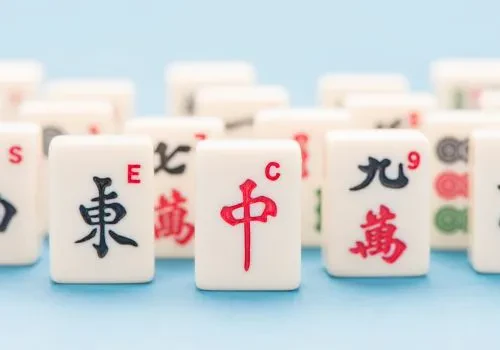
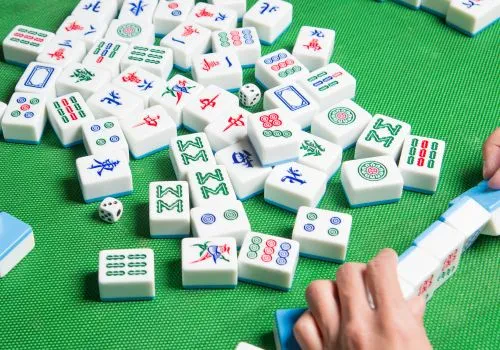
Most of the maize sets use 144 tiles and each of the tiles have problems. The bricks fall into three main groups you should learn, if you want to play well:
- Match pieces: dots, Bamboo, and characters, No. 1–9. This is the kind that most of you will build.
- Honored Rock: Wind (east, South, West, North) and Dragon (Red, Green, White). Honor does not make the numbers run, but they are strong for points and strategies.
- Flowers and Seasons. Not all versions use them; when they happen, they increase the chance to score.
Target.
The main goal of the Chinese Mahjong team was to end a legal hand, called “mahjong. “A winning hand usually consists of four tiles plus one pair, though several rules vary. To achieve that takes both luck and skill: you respond to the bricks you draw and what other players do.
The goal is not just to finish one hand, but to make it wise to choose the game and observe the other players. You decide when to use a strong measure to push your hand, and when to turn to defend yourself to slow down others.
Reading the scraps, the notes are exposed, and tracking the locking tiles helps you to select the safest or fastest route. Because the situation changes each time, each round feels like a new, appealing puzzle.
Game Settings
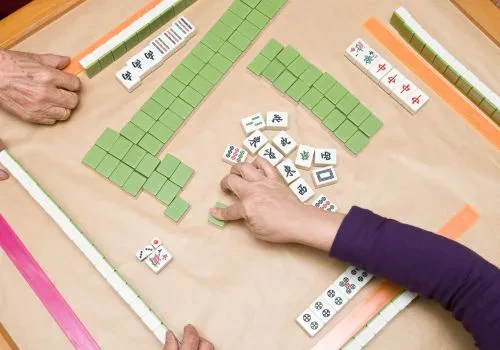
Now you know what the bricks and a winning hand look like, it’s time to set up a real table. The Chinese midfielder started by sitting in chairs, wind and wall. This is how everybody gets in position and the game is ready.
Player and Seaman
Four players played mash to keep the table alive and competitive. First, decide where people sit, usually by drawing many or rolling dice, so fortune plays a role from the start.
Each seat is connected to a wind: East, South, West, or North. These winds have ordered order and can shape your strategy.
The role behind each round, so everybody ends up following the wind. Knowing what it is to be the East (the dealer) is helpful, since the seller is ahead and pulls the gun first, this creates a slight advantage and helps them to move faster.
Build the Wall
Each one played the husband of 18 husbands of two pieces, and combined these piles into a square wall in the middle. Think of this wall as the game’s deck of cards; that’s where the bricks are drawn throughout the game. Building it is a joint ceremony marking the start of the game.
The setting also builds expectations. No one knows what the wall contains, so there should be a combination of hope and discretion. The wall is a barrier, hiding the future bricks, and a supply of supply that controls all your decisions then.
Could not initialise Bonobo
The seller ( East Wind) was selected by rolling dice, adding another chance for the game. The seller begins the round and pulls the gun first, which may interest everyone. After each round, the role of the seller rotates counterclockwise so that the player will lead at some points.
Being a salesman brings advantages and obligations. Your choice can speed up or slow down, so it pays to use good positions. The seller’s chair also affects marking in many rules, sometimes earning or losing more points depending on the outcome.
Play a game
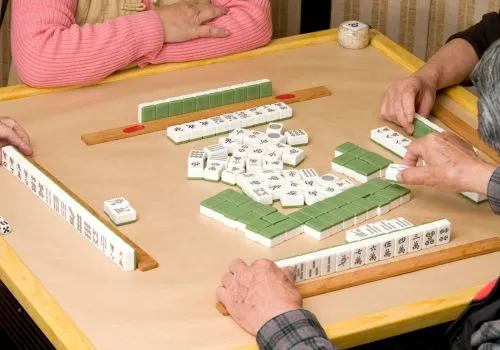
Once your game is set correctly, here’s how you start playing:
Draw and cancel
The seller begins by drawing one from the wall. The first show set up early plans. Play then move around the table. Your turn, draw a square, then remove a line into the middle. That simple tune of drawing, then leaving, went on until someone claimed the mash.
This loop is the center of the game. Each drawing can help an episode; each section can help an opponent. Think before you throw a brick, and see what others throw. Opposers left showing that they avoided what was suitable or what they might be pursuing. Use that information to make your own decisions. Push when tiles line up, or change the plan when not.
Insert
To win, you build the sets. There are three categories:
- Pong: Three identical pieces. Gambling progressed directly and regularly to a winning hand.
- Chow: Three numbers in the same row in the same suit (as 440-6 bags). Chow needs time and awareness of what’s still in the game.
- Kong: Four identical pieces, declare immediately. Kong often offers alternative points, but it also tells others part of your hand.
Good balance setting will be flexible with focus. Keep the options open early; do not lock too soon. As the board reveals further information, decide when to complete an episode, when to keep a brick to wait better, and when to rotate if the keys seem to have gone or dangerous to pursue.
Majong Release
When you have a full hand, e., four sets plus a pair, you can claim the mah. Show everyone the tiles to confirm victory. It was a satisfying time because it rewarded both the intelligent plan and adapted to the flow of the circle.
Declaring the mash code ends the circle and the score for the winner (and often affects other people’s scores).
The bricks were then removed and a new round began, giving each player a new start. This makes the game come alive. You refine your approach each round, learning from the removal, the calls, and the samples you only see.
Schilling in Mahjon
Billing coins in different areas, but most translations share a few blocks of construction:
- Election Hand: A senior boxer declareer gets a score to finish a legal hand. This is the main source of points and rewards for solid play.
- Special hand: rare or hard model modeling makes extra points. These rewards encourage you to detect unique combinations when the bricks allow.
- Kong: Explaining a kong (four categories) often supplements points. It is attractive, but it also reveals information, so choose the right time.
- Flowers & Season: When used, extra pieces are added to points and may change priorities when drawing and leaving.
Understanding the type system helps shape your plans. Sometimes the cleverest way is to win fast with a simple hand. At other times, it will be worth increasing the total bonus. Players are good in balance of speed and value, adapting to brick, table speed, and the rules you are using.
Tip for the Beginer
If you’re just starting to play mash, these tips will help you master the game faster:
Regular Practice
Like any skill game, major training. Play often helps you to learn bricks, rules, and flows, which give you confidence. Whether you meet friends or play mahre online, regular practice helps you check your ideas, see what works, and sharpen your choice of time and tile.
The regular game also brings you into different circumstances and styles. You will face fast attackers, strong defenders, and mixed strategies. Over time, you will recognize patterns, read better tables, and predict what others need. These skills make your plans stronger and more flexible.
Pay Attention to Cards
Opposers are clues. What they throw to you is what fits or numbers they don’t want and sometimes what they’re gathering. Use this information to adjust your plans and avoid feeding them a win brick.
Notice repeated signs: Players avoid suits, defend honor, or pursue frankness. When you see a pattern, act by retaining dangerous tiles, changing goals, or changing clothes. This habit helps you to select safer removals and improve your first chance of completion.
Balance of Distortion and Defence
Yes, your goal is to finish the hand, but you can also turn and prevent others from completing their goal. Before you leave, ask: “Can this brick finish someone’s set? “If the table looks dangerous, slows down, changes clothes or holds the brick to wait.
Good player changes the plan. When a drawing supports your plan, move forward. When the table becomes dangerous due to multiple welding layers or tight waiting, it turns to safety. Keeping the balance of attack and defense keeps your choices extended, protecting your points, and increasing the odds of winning during the meeting.
Play Wikinews online
Now you’ve got the basics of Chinese mahre, you’re ready to stir up and give it a chance. If you think you’re not an expert, that’s too good, because grasping with repetition and practice. First, let’s worry less about the luxury cuts and more about the flow: drawing, welding, leaving, defensive.
Want to be able to learn the tiles and the samples faster? Try the game mah-jong 247. They are free to play, starting quickly, and great to build tile recognition. In addition, there are seasonal themes and statistics to keep things fresh. Warm your skills, and then take them to the table of four full players. Let’s start playing today.