
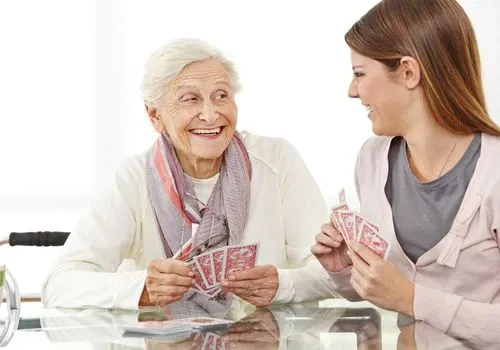

When it comes to memory care patients who may need support in their daily affairs but mostly independent, mental stimulation is important to maintain their happiness. By playing simple, attractive games like Solitaure, you’re creating ways to help patients develop concentration and increase cognitive function.
This blog will discuss how Soxe can help patients lose their minds and provide advice to make the game more accessible and interesting for these individuals. We’re also going to propose a few other memory-activated games that will be a great addition to any patient’s memory care activities.
Why Medicine Is Good for Disabilities
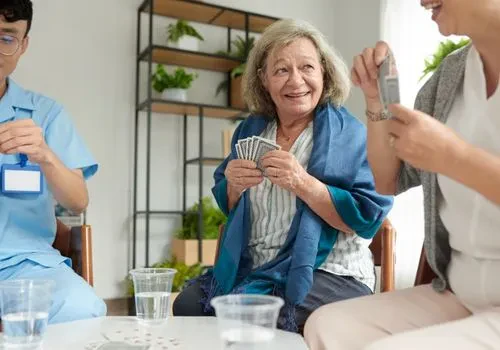
In the next segment, we’re going to discuss the benefits of Soxes for memory patients.
1. Encourage focus and focus
Solire is not a complicated game, but it requires attention to the details of the cards and strategic thinking to win. These qualities ensure that it is a wonderful mental exercise. Memory care patients can strengthen brain function over time by combining rules, internalization and planning the move.
Repetitive interactions, the lengthy of a game such as Seneca help with memory care or memory loss patients as they nurture a relaxed, secure, or familiar feeling.
2. Compulsive Support Without Force
Low pressure games, a player such as Solitaure provide a stable psychological stimulus without causing disappointment. The structure of the game encourages patients to care for focused memory, recognize patterns and make their own decisions at their own pace. Players can exercise their minds without limited time or competition without feeling rushed or pressured to finish the game quickly.
The skills of exercise are light, accessible as attention, problem solving, and rational thinking. Studies show that participation in games, puzzles, and reading can help improve memory, concentration intervals, and processing speeds. Regular mental stimulation helps the brain to function and can support cognitive function over time.
In addition to the cognitive benefits, Seneca creates a calm, familiar experience. Whether using a physical card or a digital version, the game provides a sense of habit and success, enabling patients to care for memory to continue to participate comfortably, with little stress.
Three. Reduce stress and encouragement
The pattern-based game can create a sense of control and predictability for patient memory care. Repetitive actions in arranging and arranging cards create a calm, quiet effect, which reduces anxiety and helps us to relax.
For individuals in the memory care industry, participating in a familiar, independent activity such as Soto can be a pleasant habit. The slow nature of the game allows the player to focus on step by step without pressure, making it a great tool to reduce stress.
Studies have shown that video games can help reduce stress levels, and Seneca’s digital versions have similar benefits as further access. Whether playing cards or on the screen, Seneca provides a quiet, appealing, emotional support while slightly stimulating the mind.
Memory thrower games are different from tile games

Soliter is not the only card game that benefits patients with memory care. The following section will consider a number of other activities for patients with memory care with different needs.
1. Match game
The card game may be a simple but effective way to support memory care for people with amnesia. These games encourage the player to recall the location of various cards, helping to strengthen short-term memory and cognitive function in a light, attractive way.
In games such as focus, the player takes turns over the card looking for matching pairs. This process encourages the brain to make connections, recognize patterns, and recall past choices. For patients with memory loss, this exercise can help maintain their perceptive powers, high concentration, and bring a sense of success.
In addition to being aware, the same game can be a comforting activity. The structure, repetition of the game creates a predictable habit, which may lighten the hearts of those who are confused or anxious. Playing with a caregiver or a relative adds to a social factor, encouraging connection and engagement in a non-depressive setting.
2. Uni (Insisting for Memory Care patients)
Uno is a great game for care memory because it focuses on color recognition and numbers, keeping the player involved without being overwhelmed. Its simple mechanics helps reinforce attention, recall, and make decisions while allowing players to participate at their own pace.
If some rules feel too complicated, you can remove cards like Reverse or Wild Cards to keep the game accessible. This adjustment allows the player to focus on the right and switch without disappointment.
In addition to cognitive benefits, Uni promotes social interaction, which plays a major role in emotional happiness. The bright colors and familiar forms of this game create a welcoming experience, while playing together strengthens the relationship between patients, caregivers, and relatives. With small changes, she is able to continue her happy and meaningful activities during memory care occasions.
Three. Eating for Insults
Rodby can support strategic thinking and pattern identification for individuals with early memory loss or subsequent memory care. The games challenge players to organize the cards into sets and sequences, keeping their minds active without feeling overwhelmed.
Playing in pairs can make the game easier and more interesting. Working with your spouse will reduce frustration, promote working together and create a supportive social experience. Career or loved one may provide light guidance, helping the player to continue participating while still playing.
With small changes such as simple typing or using fewer cards, the Rodrick may continue to be an interesting and useful activity to stimulate the mind and encourage the connection in a relaxed setting.
Free on-line for memory care patients – 24/7 Sommer
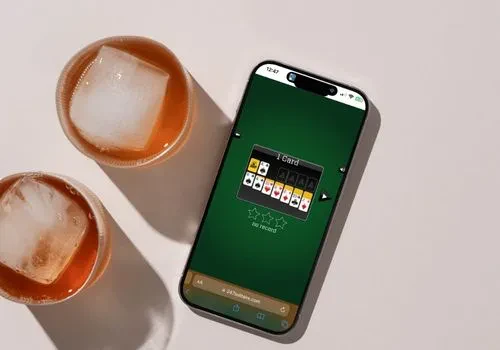
Memory care patients have an easy, fun operation through focus, providing a reasonable challenge, and reducing anxiety. For caregivers, think of how your nursing home can introduce a relaxed, encouraging activity. If they want an online independent platform for free, check out 247 Solitare, which offers an intuitive interface, themes of many colors, and an endless game ring.